
Thoracic radiation
Directed at the chest to treat tumors in the lung and the lymph nodes if cancer has spread there1

Every person's experience with small cell lung cancer (SCLC) is different, and so is the path forward. There are several treatment options available, and finding the right one is about what fits your life and your needs. For you and your care partners, learning about these options together can be a comforting and empowering place to begin.
Surgery is not a common treatment for SCLC because the cancer has often spread beyond the lung by the time it is diagnosed. However, in rare cases where SCLC is found very early and is limited to a single tumor in the lung, surgery may be an option.1,2
Chemotherapy kills cancer cells or stops them from growing. It is often one of the main treatments for ES‑SCLC, where it is typically given in combination with other treatments. Platinum-based chemotherapy (such as cisplatin or carboplatin combined with etoposide) is part of a standard approach. Chemotherapy is usually given in cycles, with infusions followed by periods of rest to allow the body to recover. The chemotherapy cycles can also alleviate some of the symptoms caused by SCLC.1,3
Radiation therapy uses high-powered X-rays to kill cancer cells.1 For SCLC, radiation may be used in several ways:
Directed at the chest to treat tumors in the lung and the lymph nodes if cancer has spread there1

Radiation directed at the brain to help prevent cancer from spreading there1

Used to relieve symptoms caused by cancer that has spread4
Immunotherapy helps your immune system recognize and attack cancer cells. Immunotherapy drugs called checkpoint inhibitors have become an important part of treatment for ES‑SCLC. These drugs are generally used in combination with other therapies and work by re-enabling the body's own immune cells to attack cancer cells.1,5
Clinical trials are research studies that test new treatments or new ways of using existing treatments. These studies are carefully designed and follow strict safety guidelines. Participation is always voluntary, and your care team can help you understand what's involved—including potential benefits and considerations.1
Palliative care focuses on relieving symptoms and improving quality of life. It can be provided alongside other cancer treatments at any stage of the disease.4,6
Palliative care may help with:

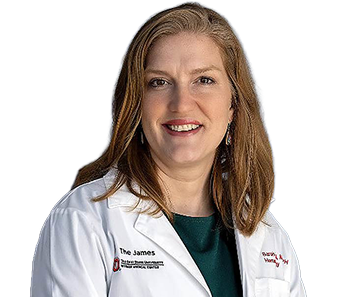
Dr. Carolyn Presley discusses the role of palliative care in SCLC treatment.
