You're Not Alone
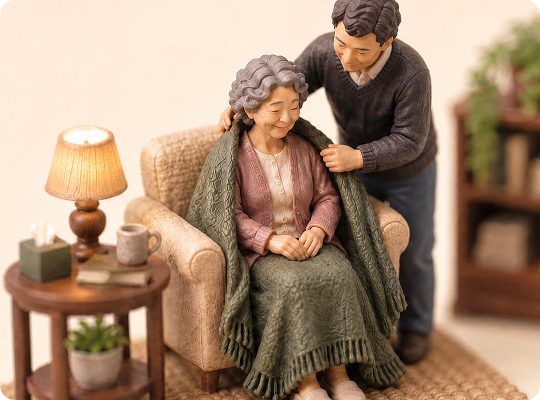
Caregiving can bring unexpected challenges–including navigating your own feelings while being there for someone you love. It can be helpful to connect with others who understand.

Being a care partner means standing beside someone you love as they face small cell lung cancer (SCLC). Whether you're a spouse, sibling, adult child, or close friend, you're part of this journey—and your role matters.
As a care partner, you play an important role in supporting your loved one through their SCLC journey. Here are some ways you can help:
Caring for someone with cancer can be physically and emotionally demanding. It can be hard to prioritize yourself. Taking care of your own needs helps you to be fully present for your loved one when it matters most:

Caregiving can bring unexpected challenges–including navigating your own feelings while being there for someone you love. It can be helpful to connect with others who understand.
Sometimes, a loved one is ready to stop treatment—even when you're not ready to let go. This is one of the most painful parts of caregiving, and there's no easy way through it. What helps is honoring their wishes and focusing on what you can do—being present, helping with planning, and ensuring their comfort. Hospice care isn't about giving up—it's about prioritizing quality of life.
For guidance on end-of-life planning and support for your own grief, explore LUNGevity's End-of-Life Planning resources.